
BUILDING STRONGER, MORE SELF-RELIANT COMMUNITIES
CREMTF community education and training is provided at no cost to participants.
“Can Your Community Take Care of Itself?”
Food disruptions. Power outages. Severe weather. Water interruptions. Economic emergencies.
The question isn't whether emergencies happen. The question is whether our families and communities are prepared when they do.
BUILD COMMUNITY RESILIENCE — TOGETHER, FOR FREE
MD MOA's Community Resilience Emergency Management Task Force (CREMTF) helps communities develop practical systems for food security, emergency preparedness, sustainable living and community response — at no cost for training.
Most families and communities do not know how prepared they are until the systems they depend on are interrupted.
Preparedness begins by identifying our strengths, our vulnerabilities, and the resources already available around us.
MD MOA encourages individuals, families, neighborhoods, faith communities, schools, workplaces, and community organizations to honestly assess how prepared they are before an emergency occurs.
How Prepared Are We?
FOOD SECURITY
Do you have enough food available if normal grocery access is interrupted?
HEALTH & MEDICAL READINESS
Do you have medications, first-aid supplies, and people with emergency-response skills?
WATER SECURITY
Do you have a plan for safe drinking water if service becomes unavailable?
COMMUNICATION
Can your family and community communicate if cellular or internet service is unavailable?
POWER & ENERGY
Can your household function during an extended electrical outage?
COMMUNITY RESPONSE
Does your neighborhood, church, mosque, school, or organization have an actual emergency plan?
PREPAREDNESS IS PERSONAL.
RESILIENCE IS COLLECTIVE.
A prepared household can store food, water, medicine, emergency supplies, and important information.
A resilient community goes further.
It understands who has useful skills, where resources are located, who may need assistance, how people will communicate, and how neighbors can work together when normal systems are disrupted.
INDIVIDUAL
HOUSEHOLD
→
BLOCK
→
NEIGHBORHOOD
→
COMMUNITY
→
RESILIENT COMMUNITY NETWORK
→
Preparedness becomes resilience when prepared people begin working together.
WHAT IS CREMTF?
Community Resilience Emergency Management Task Force
CREMTF is MD MOA’s community-based resilience initiative designed to help people develop the practical knowledge, skills, organization, and local systems needed to better withstand disruptions and emergencies.
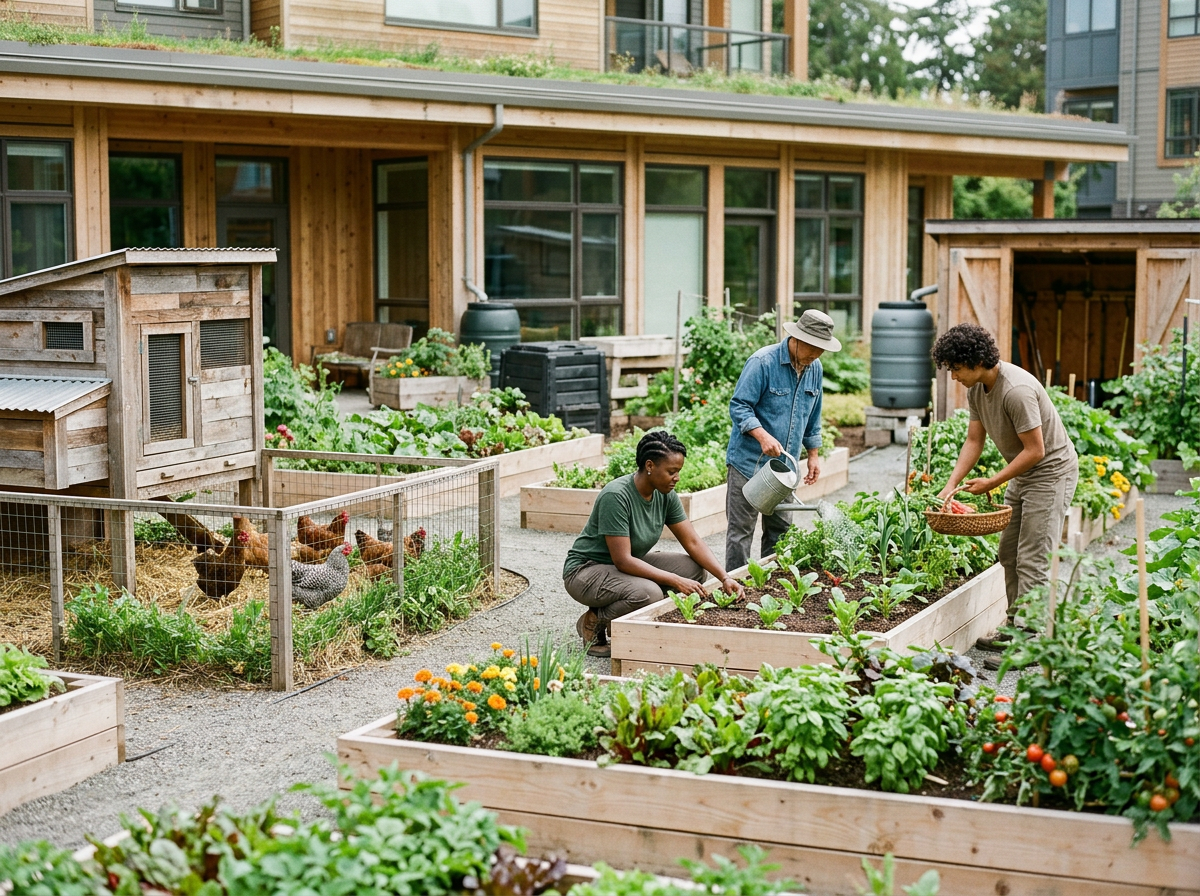
The program connects agricultural self-sufficiency with emergency preparedness, sustainable living, food preservation, water resilience, community organization, and resource awareness.
CREMTF is built around a simple principle:
Communities are stronger when they possess the knowledge and capacity to help meet their own essential needs.
THE SIX PILLARS OF COMMUNITY RESILIENCE
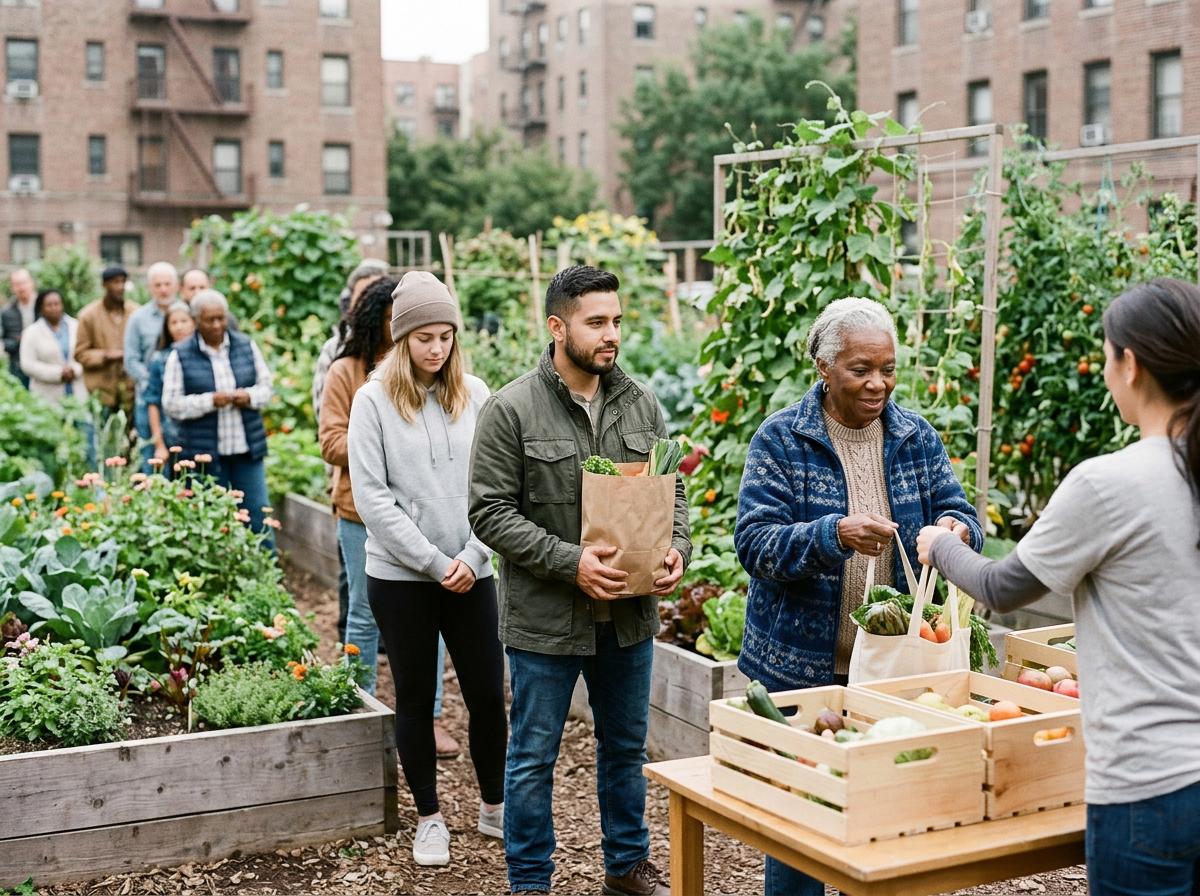
FOOD SECURITY
Growing food locally, strengthening household and community food production, understanding seasonal planning, and reducing complete dependence on outside food systems.
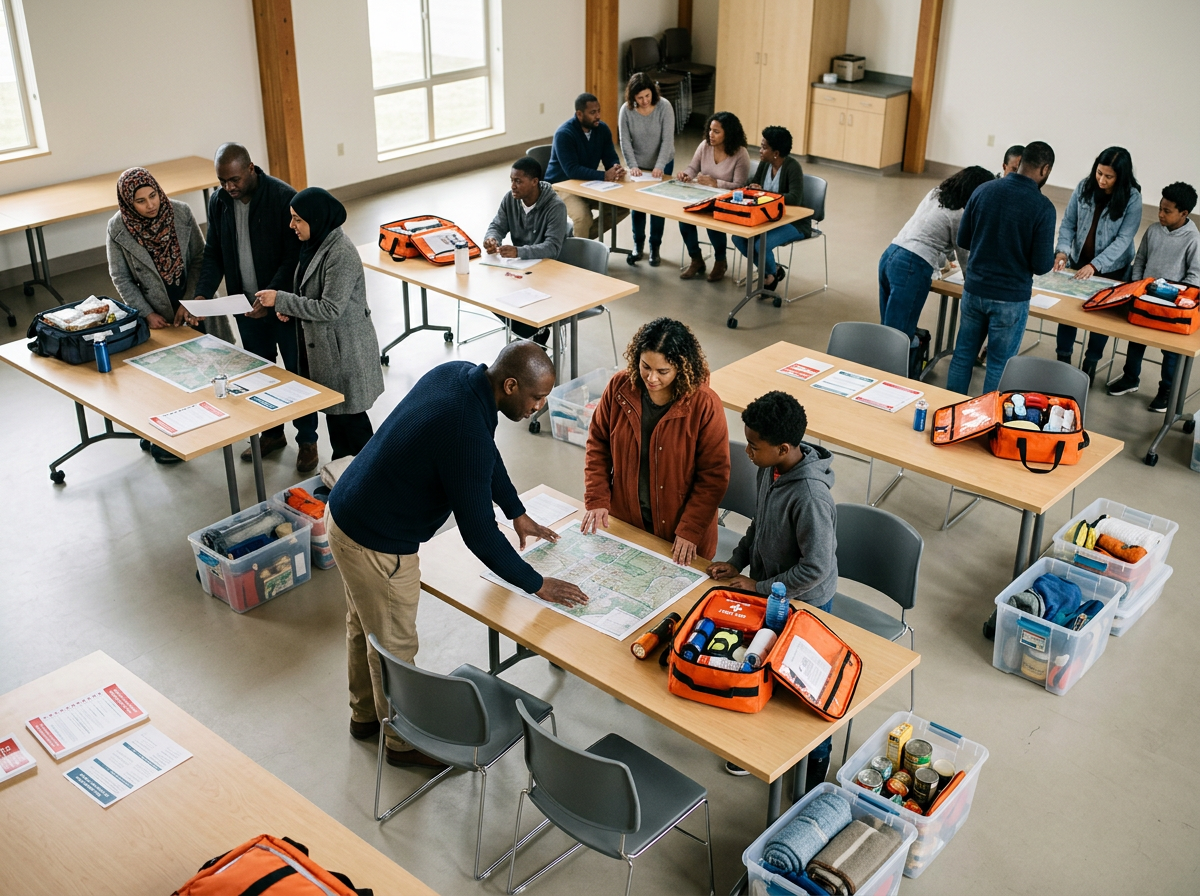
EMERGENCY PREPAREDNESS
Developing household and community plans for severe weather, prolonged outages, disruptions, evacuation, sheltering, and other emergencies.
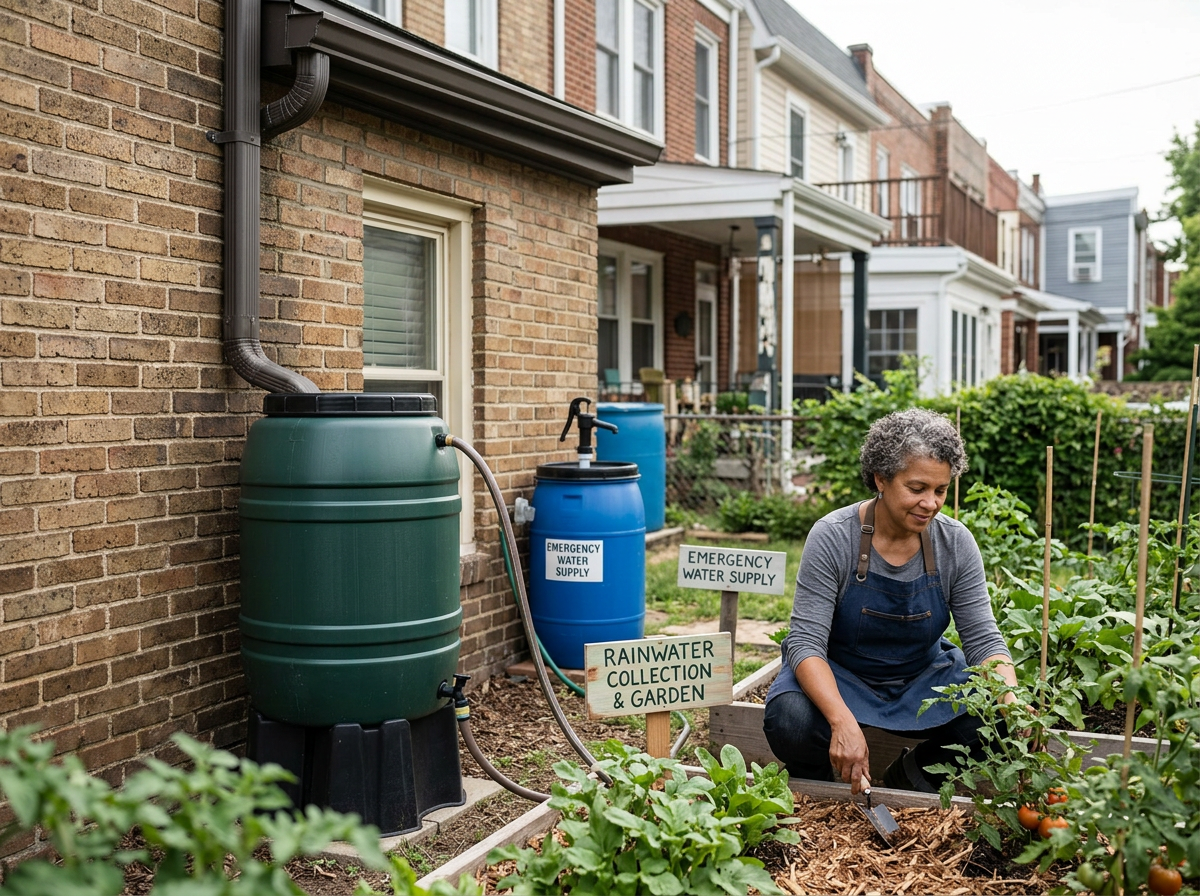
WATER RESILIENCE
Understanding water storage, conservation, rainwater collection, emergency water planning, and responsible use.

COMMUNITY COORDINATION
Identifying people, skills, organizations, facilities, and resources before they are needed.
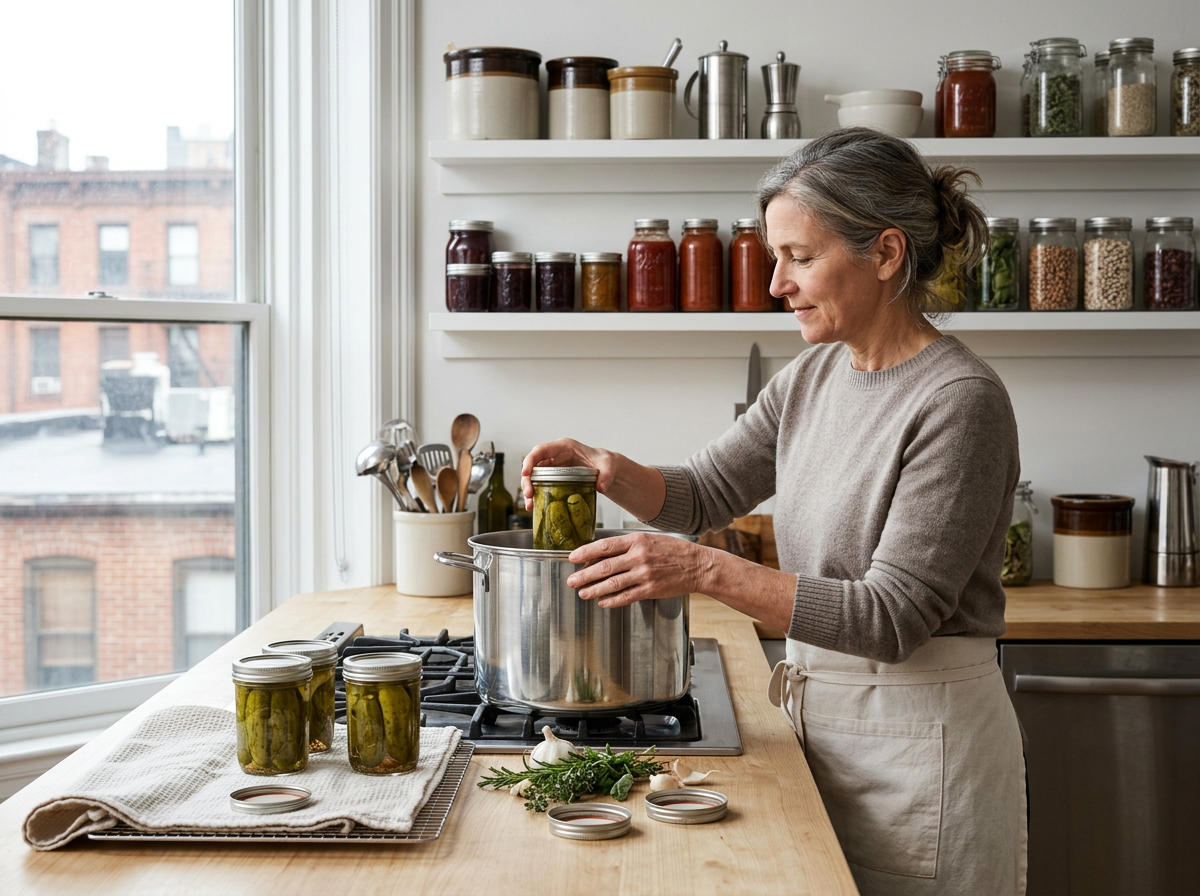
FOOD PRESERVATION
Learning how to safely preserve, store, and extend the usefulness of food beyond the harvest season.
SUSTAINABLE LIVING
Building systems that promote long-term self-reliance, responsible stewardship, preparedness, and reduced vulnerability.
Resilience is not one skill. It is a system.
Prepare for Training
A prepared household can store food, water, medicine, emergency supplies, and important information.
A resilient community goes further.
It understands who has useful skills, where resources are located, who may need assistance, how people will communicate, and how neighbors can work together when normal systems are disrupted.
Ready to Strengthen Your Community?
Spots fill fast for each training cycle. Secure your place in the next session and join a network of resilient, self-reliant neighbors.


